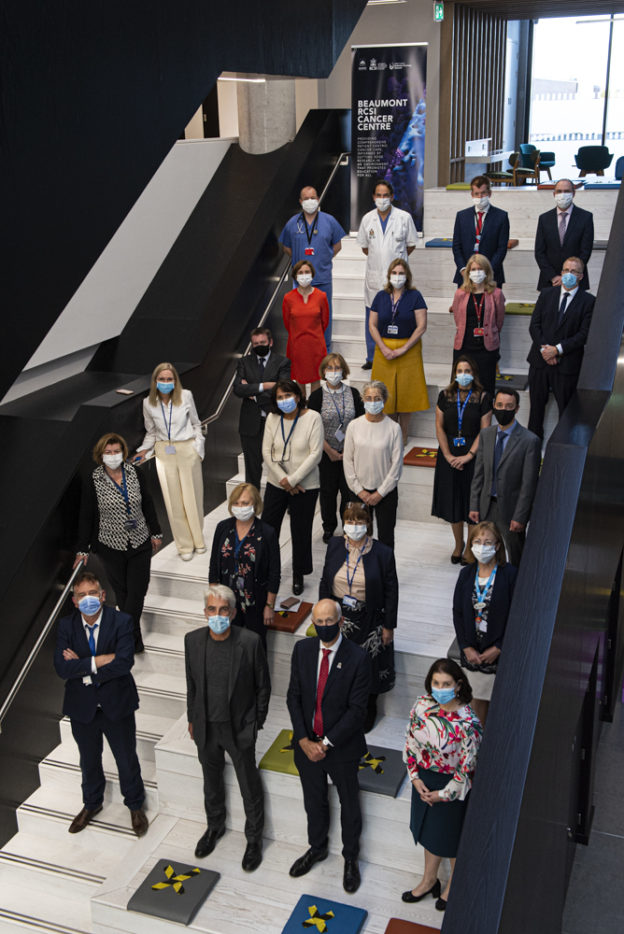
The Beaumont RCSI Cancer Centre has been accredited for the quality and standards of cancer care and research by the OECI, a European organisation who set comprehensive standards for cancer centres and networks.
In January 2021 we at Beaumont RCSI Cancer Centre elected to participate in the OECI Accreditation and Designation Programme, a quality assessment programme focused on multidisciplinary integrated cancer care and research. The Cancer Centre was independently evaluated by a team of experts from centres across Europe in October 2021 and assessed across a number of domains including governance; research; multidisciplinary working; patient involvement and empowerment; organisational quality; prevention, diagnosis and treatment of cancer.
The Cancer Centre has received official accreditation by the OECI, which recognised it as a ‘patient centred organisation’ with ‘well-coordinated research structures’ and ‘a dynamic education system’.
Responding to the designation, Ian Carter, CEO of Beaumont Hospital, said: “We are very proud to be accredited as a Cancer Centre by the OECI; it is high recognition of our commitment to delivering high standards of quality care to patients with cancer and to accelerating developments in cancer research.”
The establishment of the Centre formalises the alliance and commitment to cancer care that has long existed between the three partners, combining their expertise to create a centre of excellence with the scale and breadth to drive improvements nationally and through its international networks.
Through its collaborative approach, the Beaumont RCSI Cancer Centre aims to further develop the clinical treatment pathways for patients to improve their experience and outcomes and also extend into local communities to support health and well-being programmes aimed at prevention.
Professor Patrick Morris, Medical Director, Beaumont RCSI Cancer Centre, explained: “Statistics from the WHO tell us that cancer represents the second most reported cause of death and morbidity in Europe. In Ireland, there are approximately 40,000 new cases of cancer diagnosed each year and over 3500 of these patients are treated in Beaumont RCSI Cancer Centre. Cases of cancer are expected to double in Ireland by 2040.
“The only way to tackle this disease is through research and collaboration. This Centre brings together some of Ireland’s most informed and experienced cancer experts to provide an innovative approach to cancer research that will inform the treatment of cancer and improve patient care into the future, not only in Ireland, but worldwide. The OECI accreditation and designation is a significant milestone for the Cancer Centre and represents our commitment to delivering the highest standards of patient care informed by innovative research.”
Professor Leonie Young, Scientific Director, Beaumont RCSI Cancer Centre, added: “The accreditation from the OECI is testament to the international significance of the work performed at the Centre and our focus on delivering the highest international standards in cancer research, that will bring maximum benefit to cancer patients and ensure that Ireland is at the forefront of excellent patient care now and in the future.”
The Beaumont RCSI Cancer Centre brings together Ireland’s leading healthcare professionals, academics, biologists, epidemiologists and statisticians across the disciplines of medicine, radiation, surgery and palliative care. The Centre specialises in the treatment of a wide range of cancers including breast, colorectal, lung, endocrine, head and neck, neuro oncology, urology, skin, haematology and upper gastro intestinal.
Professor Cathal Kelly, Vice Chancellor and CEO / Registrar, RCSI, said: “Collaboration between academic research and practice is vital in the fight against cancer. RCSI is proud to be involved with this internationally accredited cancer centre at Beaumont Hospital. Together with our partners at Beaumont Hospital and St Luke’s Radiation Oncology Network we are combining scientific research with patient treatment that in the long-term will contribute to the improvement of cancer treatment for patients throughout the world.”
Professor Clare Faul, Netwoek Director of St Lukes Radiation Oncology Network acknowledged the importance of this partnership: “Having the three pillars of cancer treatment collaborating on the Beaumont Hospital campus and working in partnership with the RCSI to achieve OECI accreditation ensures we are reaching the highest standards for patients with cancer at every point of their pathway.”
Cancer research at the Centre focuses on a wide variety of strategies to identify new ways to improve outcomes for cancer patients through prevention, diagnosis and therapy. It is involved in large-scale collaborative cancer research programmes and clinical trials involving partners from industry, academia and clinical organisations.
The Beaumont RCSI Cancer Centre is aligned with the strategic priorities of the National Cancer Strategy (2017-2026), EU Cancer Mission and Europe’s Beating Cancer Plan. The Centre is one of nine designated cancer centres nationwide and is the second only OECI accredited cancer centre in the country.
To mark its accreditation and commitment to public engagement, experts from the Centre are hosting a special online webinar today. The RCSI MyHealth Series discussion, ‘Navigating cancer – prevention, treatment and support’, features Prof. Patrick Morris, Prof. Leonie Young and Dr Maeve Mullooly (Research Fellow, Data Science Centre, School of Population Health, RCSI). In this discussion the speakers address some of the most commonly asked questions about risk factors and prevention measures, treatments options and preparing for treatment, as well as the latest in cancer research.
Part of RCSI’s free series of public lectures, this MyHealth discussion aims to educate people about cancer prevention, lifestyle choices, risks and treatments which characterise the full patient-support journey provided by the Beaumont RCSI Cancer Centre.
Watch the Navigating cancer – prevention, treatment and support webinar here
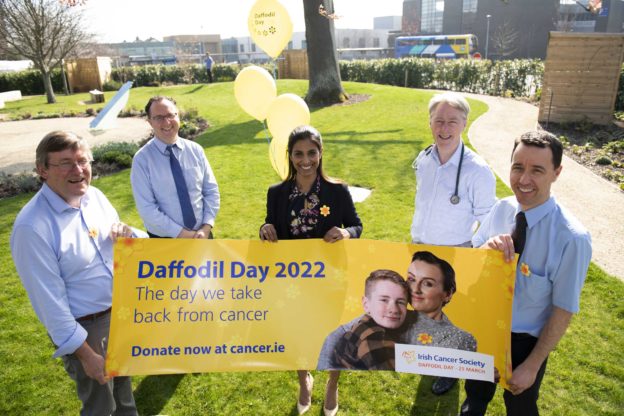
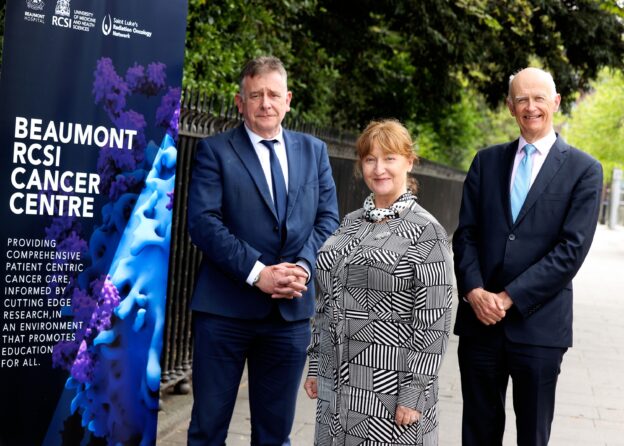
Photographed above from left to right: Mr Ian Carter CEO Beaumont Hospital, Professor Clare Faul Network Director St Lukes Radiation Oncology Network; Professor Cathal Kelly Vice Chancellor and CEO / Registrar, RCSI